
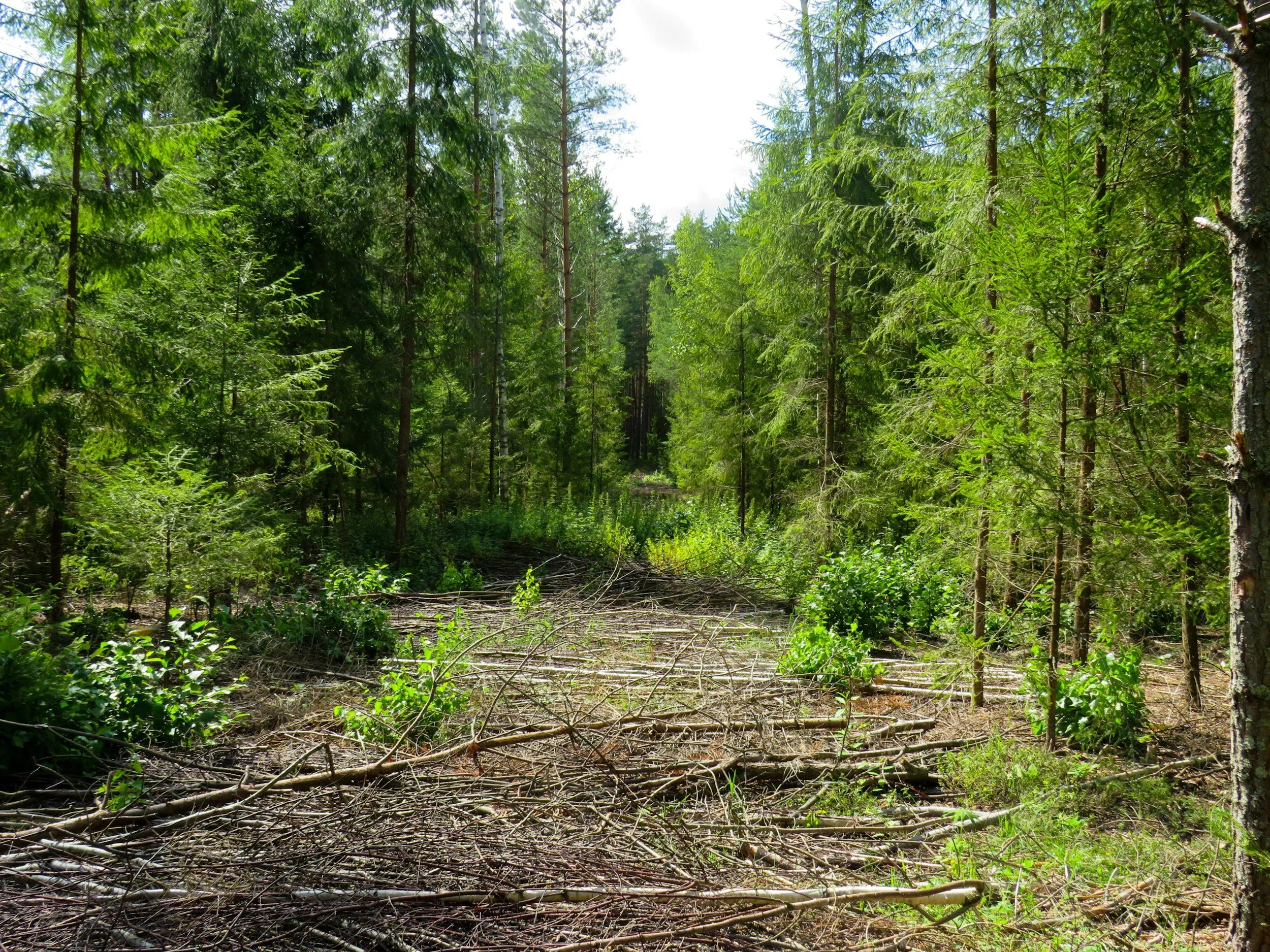
Every property can be beautiful
Our mission is to help people reclaim that beauty by removing invasive brush like buckthorn and unwanted vegetation — transforming cluttered landscapes into vibrant, open spaces that reflect the pride and peace of those who live there.
Services to consider
Here are the services we currently provide.
-
Forestry mulching benefits
Rapid site clearing: Forestry mulching converts trees, brush, and stumps into mulch on-site in a single pass. This eliminates the need for separate felling, hauling, grinding, and stump removal operations, cutting project time and labor dramatically.
Immediate erosion control: The layer of mulch left on the ground protects soil from rain impact and surface runoff, reducing erosion and sediment movement during and after land clearing.
Fuel reduction and wildfire mitigation: Removing ladder fuels, understory brush, and small trees reduces available wildfire fuel loads and creates defensible space while maintaining larger, healthy canopy trees when desired.
Cost efficiency: Consolidating tree cutting, grinding, hauling, and disposal into one machine operation lowers equipment, labor, and disposal costs compared with traditional clearing methods.
Minimal soil disturbance: Mulching shreds vegetation and spreads organic matter without ripping out root systems or disturbing the soil structure, preserving soil ecology and reducing compaction relative to bulldozing or heavy excavation.
Rapid revegetation and site stabilization: The mulch layer conserves moisture, moderates soil temperatures, and adds organic matter, creating better conditions for native seed germination or planned revegetation.
Reduced invasive species spread: Mulching on-site and leaving shredded material limits the need to transport invasive-plant material off-site, reducing the risk of spreading seeds via trucks and equipment—when combined with proper follow-up management and monitoring.
Improved access and safety: Clearing brush and low limbs opens roads, trails, and utility corridors quickly, improving access for vehicles and crews and reducing hazards from downed limbs and hidden stumps.
Wildlife habitat improvement (when managed): Selective mulching can thin dense understory that harbors pests or disease, promote growth of desirable forage and browse species, and create a more diverse age and species structure in the forest over time.
Flexible, selective land management: Operators can target specific vegetation types, protect desirable trees, and shape contours. This precision supports utility right-of-way maintenance, land development, habitat management, pasture conversion, and firewise landscaping.
Environmentally preferable disposal: Instead of burning slash or hauling to landfills, mulched material is recycled on-site as organic ground cover, reducing emissions and transport impacts.
Long-term soil health benefits: Over time the decomposing mulch increases soil organic matter, supports microbial activity, and improves nutrient cycling—benefits that support healthier plant communities.
When to choose forestry mulching
Vegetation densities (brush, small trees, vines) where selective removal is desired.
Sloped or sensitive soils where minimal disturbance is important.
Projects that prioritize speed, reduced hauling, and on-site reuse of biomass.
Fire mitigation and right-of-way clearance where maintaining standing trees is beneficial.
Limitations and considerations
Large diameter trees often require felling first; mulchers are best for small-to-medium stems.
Mulch layer thickness should be managed to avoid excessive smothering of desirable understory plants.
Proper permitting and invasive species protocols may be needed; equipment can still spread seeds if not managed.
Noise, dust, and machinery impact require community and site planning.
Best practices
Pre-inspection to mark desirable trees and hazards (power lines, sinkholes).
Follow-up erosion control and revegetation planning when necessary.
Integrate invasive species monitoring and removal strategies.
Use experienced operators and properly sized equipment for efficient, safe results.
Bottom line: Forestry mulching delivers fast, cost-effective, and lower-impact land clearing that recycles vegetation into productive mulch—making it a powerful tool for wildfire mitigation, site prep, utility and access maintenance, and ecological restoration when applied with proper planning and follow-through.
-
Benefits of Land Clearing
Improved land usability
Converts overgrown, wooded, or brush-filled property into usable space for construction, farming, landscaping, or recreational uses.
Creates level, accessible ground for homes, driveways, roads, and utility installation.
Enhanced safety and risk reduction
Removes dead trees, unstable stumps, and brush that can fall or obstruct pathways.
Reduces wildfire fuel load by eliminating dense underbrush and ladder fuels that carry fire into tree canopies.
Clears sightlines along roads and driveways, lowering the risk of vehicle collisions with hidden obstacles.
Pest, disease, and invasive species control
Eliminates habitat for rodents, ticks, mosquitoes, and other pests that thrive in dense vegetation.
Helps stop the spread of tree diseases and invasive plant species by removing infected or aggressive growth before it spreads.
Increased property value and marketability
Open, well-maintained land is more attractive to buyers and easier to appraise.
Ready-to-build or farmable parcels command higher prices than heavily wooded, unprepared lots.
Enhanced agricultural productivity
Clears fields for planting row crops, orchards, pasture, or hay production.
Facilitates mechanized farming by removing stumps and rocks that impede equipment.
Better utility and infrastructure access
Easier installation and maintenance of power lines, pipelines, septic systems, and water lines when vegetation is removed.
Provides room for future infrastructure expansion and reduces service interruptions caused by falling trees or overgrowth.
Improved aesthetics and landscape design
Creates opportunities for planned landscaping, lawns, gardens, and sightlines that highlight property features.
Allows selective preservation of desirable trees and removal of unsightly or overcrowded growth for a cleaner, intentional look.
Faster emergency access and response
Opens routes for emergency vehicles, making properties more accessible in crises like fires, medical events, or floods.
Reduces rescue impediments caused by dense undergrowth.
Support for conservation and habitat management (when done responsibly)
Enables targeted habitat restoration by removing invasive species and preparing ground for native plantings.
Creates edge habitats and early successional areas that benefit certain wildlife species when combined with a management plan.
Easier maintenance and long-term landscaping savings
Reduces ongoing costs associated with periodic clearing, mowing, and hazard tree removal.
Simplifies weed control and routine landscaping tasks.
Best practices to maximize benefits
Plan with a clear purpose: construction, agriculture, fire mitigation, or habitat restoration.
Use selective clearing where possible to preserve valuable trees and minimize ecological impact.
Retain topsoil where feasible and use erosion-control techniques after clearing.
Consider professional contractors with experience in stump grinding, mulching, and erosion management.
Combine clearing with replanting of appropriate natives or managed groundcover to prevent invasive species re-establishment.
Bottom line: When done thoughtfully, land clearing transforms problematic vegetation into productive, safer, and more valuable land while enabling long-term management and resilience.
-
Stump grinding quickly removes stumps, improving safety, curb appeal, and property value. Here’s why it beats leaving stumps.
Removes tripping hazards and pests Stump grinding chips the stump to or below ground level, eliminating uneven surfaces that cause trips and hiding spots for pests like ants, termites, and rodents.
Stops regrowth and diseaseGrinding breaks the stump’s roots and inner tissue, cutting off sprouts and suckers and reducing fungal or pathogen spread.
Clears and levels the area, blending with the landscape. Replant grass, lay sod, or add a garden bed to reclaim yard space for play, paths, or landscaping.
Faster and cheaper than manual removal Stump grinding is less invasive and more cost-effective than full excavation, removing the stump and most root crown quickly without heavy digging or major landscape repairs.
Minimal landscape impact. Professional grinders focus on the stump and immediate roots, preserving nearby trees, plants, lawns, irrigation, and hardscapes—less damage than mechanical root removal.
Wood chips: useful byproduct Grindings yield mulch for flower beds, paths, erosion control—enriching soil as they break down or providing instant coverage for new plantings.
Faster site prep for construction or landscaping — grinding clears root obstacles quickly and reliably, preventing future lifting or damage to decks, patios, driveways, and planting beds.
Removes ongoing maintenance and liability by eliminating stump-related mowing and injury risks, and prevents root damage to sidewalks and driveways that causes costly repairs.
Environmentally friendly when done right
Grinding is immediate and local, unlike burning or chemicals, so it avoids air pollution and toxic runoff. Properly disposing or reusing grindings supports sustainable yard care.
When to choose stump grinding
You want fast removal with minimal disruption.
You plan to reuse the space for landscaping or construction.
The stump is attracting pests, regrowing, or posing a safety risk.
You prefer an environmentally responsible alternative to chemicals or burning.
Bottom Line: Stump grinding quickly restores safety, appearance, and function while yielding useful wood chips and saving costs. Hire a licensed pro to grind deep enough, handle chips, and recommend replanting or covering.
-
Benefits of Food Plots
Enhance Habitat Quality
Well-designed food plots add nutritional diversity to the landscape, providing essential proteins, carbohydrates, and minerals—especially in late winter and spring when natural forage is limited. Better nutrition results in healthier, more productive game populations.Support Reproductive Success and Population Growth
Improved nutrition leads to higher fawn/fawn survival rates, earlier breeding cycles, and better body condition in bucks and does. Over time, this can lead to stronger local herds and more trophy-quality animals.Extend Hunting Seasons and Opportunities
Strategically planted plots that mature at different times can offer feeding opportunities across seasons. This staggers peak activity and gives hunters more opportunities for both early-season and late-season hunts.Concentrate Impact for Ethical Harvesting
By funneling animals into specific areas, food plots can allow for cleaner, more ethical shots at appropriate distances. This can reduce missed opportunities and wounded animals.Improve Stand and Blind Placement Flexibility
Food plots simplify logistics: you can place stands near edges, funnels, or cover that intersect the plot, optimizing shooting lanes and reducing the need to traverse dense woods.Low-Cost Habitat Management with High Return
Compared to large-scale timber work or property purchases, food plots can be relatively inexpensive and deliver measurable benefits quickly when properly planned and maintained.Research and Adaptive Management Tool
Plots make it easier to monitor herd health, track browse pressure, and test different seed mixes. Data from food plots can inform broader land-management decisions.Support Other Wildlife and Biodiversity
While targeted for game, food plots often benefit pollinators, small mammals, and upland birds when mixed-species plantings are used, creating a more resilient ecosystem.Year-Round Strategic Utility
When used with a rotation of plantings (annuals, perennials, brassicas), plots can function through spring green-up, summer maintenance, fall hyperphagia, and winter scarcity—keeping wildlife engaged year-round.Boost Your Odds Without Over-Reliance
The best food-plot strategy complements natural habitat—edges, cover, water—and is one tool among many. Used thoughtfully, it amplifies hunting success while supporting long-term conservation goals.Attract and Hold Game
Food plots create consistent, concentrated feeding areas that draw deer and other game species into predictable locations. This reduces travel time and increases the chance of encountering animals during hunting windows.Improve Observation and Patterning
With a reliable food source, hunters can study animal behavior and movement patterns more effectively. Knowing when and where animals feed helps set up stands and blinds for maximum success.
Bottom line: a well-planned food plot is a high-impact, tactical investment that attracts game, improves animal health, sharpens hunting strategy, and strengthens overall property habitat—delivering measurable returns for hunters and wildlife alike.
-
Benefits of Shooting Lanes for Hunting
Creating and maintaining shooting lanes is a fundamental practice for ethical, effective hunting. Proper lanes increase safety, accuracy, and success while minimizing disturbance to wildlife and habitat. Below are the key benefits, explained clearly and directly.
Improved Safety
Clear lines of sight reduce the chance of accidentally shooting at a hidden person, pet, or non-target animal.
Properly oriented lanes ensure bullets or arrows travel into safe backstops (natural berms, dense brush, or downed timber) rather than into neighboring properties or roads.
Designated lanes help hunters plan and communicate safe shooting zones when hunting with partners.
Faster, More Accurate Target Acquisition
A maintained lane removes visual clutter (branches, leaves) that can hide or partially obscure game, allowing quicker, steadier aim.
Predictable sight lines let you practice and position your rest or shooting sticks for consistent shot placement.
Reduced wind buffeting from overhanging branches can stabilize arrows and bullets, improving precision.
Ethical Shot Placement and Clean Kills
Clear angles and unobstructed shots make it easier to place lethal, humane shots to vital areas, reducing the chance of wounding and losing game.
Lanes allow evaluation of shot distances and trajectory, so you can avoid marginal shots and wait for a better opportunity.
Reduced Detection by Game
Proper lane design offers concealment while still providing a clear view—removing foliage only in narrow corridors minimizes visible disturbance compared with wide clearing.
A few well-placed lanes maintain natural cover and travel routes, reducing the need for hunters to walk through bedding or feeding areas and spook game.
Controlled Animal Movement
Lanes can funnel game into predictable routes or shooting zones, improving stand placement and ambush success without heavy habitat alteration.
Combining lanes with food plots, water, or natural pinch points exploits animal behavior for safer, shorter-range shots.
Better Scouting and Winter Visibility
Lanes expose sign (tracks, rubs, scrapes, droppings) otherwise hidden by understory, improving scouting intelligence year-round.
In winter, snow makes lanes especially valuable for tracking movement and judging stand effectiveness.
Less Long-Term Habitat Impact
Targeted lane maintenance (cutting narrow corridors instead of clear-cutting) preserves browse, cover, and nesting habitat for non-target species.
Rotational or minimal maintenance prevents soil compaction and excessive erosion while still providing hunting benefits.
Quicker Retrieval and Reduced Blood Trails
Clear sight and travel paths shorten retrieval time after a successful shot and make it easier to follow blood trails, improving recovery rates.
Lanes reduce the chance of game tumbling into thick cover and being lost.
Enhanced Training and Range Use
Lanes double as practice lanes for sighting in, shot drills, and range practice from realistic hunting positions.
Consistent lanes help hunters learn how their equipment performs in field conditions—obstacles, angles, and typical shooting distances.
Best practices: keep lanes narrow, maintain natural understory around them, orient lanes toward safe backstops, stagger openings to avoid creating obvious human corridors, and comply with local regulations and landowner agreements. Thoughtful lane creation balances hunting effectiveness with habitat stewardship, safety, and ethical harvests.
-
Benefits of Subsoil Mulching
Subsoil mulching — the practice of incorporating organic or mineral materials beneath the surface of the soil — delivers powerful, lasting gains for soil health, plant vigor, and landscape resilience. Here’s why it matters:
Improved soil structure and porosity
Breaking up compacted layers and adding organic matter increases aggregate stability and creates pore spaces. Roots penetrate more easily, water infiltrates faster, and air exchange improves — all essential for robust root systems.Enhanced water retention and drought resilience
Subsurface organic matter acts like a sponge, holding moisture where plant roots can access it. That reduces irrigation frequency and helps plants survive dry spells with less stress.Better nutrient availability and cycling
Buried organic materials decompose slowly, releasing nutrients steadily over time. Microbial activity in the subsoil increases, improving nutrient mineralization and reducing leaching losses.Reduced surface evaporation and runoff
By storing water below the surface and improving infiltration, subsoil mulching decreases evaporation from the topsoil and reduces runoff during heavy rains, lowering erosion risk.Stronger root development
Roots explore deeper, denser soil horizons when the subsoil is friable and resource-rich. Deep-rooted plants access stable moisture and nutrients, increasing overall plant stability and drought tolerance.Enhanced carbon sequestration
Incorporating organic matter below ground locks carbon into more stable soil pools, slowing decomposition and contributing to long-term carbon storage.Reduced need for surface mulch and topsoil amendments
When the subsurface supports root health and moisture supply, less surface mulching and frequent topdressings are required — saving materials, labor, and costs over time.Improved soil biology
A hospitable subsoil environment encourages beneficial microbes, mycorrhizal fungi, and earthworms. These organisms further enhance nutrient cycling, soil aggregation, and plant health.Greater resilience to compaction and heavy traffic
Well-structured subsoil resists re-compaction and recovers faster after mechanical stress, benefiting landscapes and agricultural systems exposed to foot or machinery traffic.Long-lasting, low-maintenance benefits
Unlike surface amendments that degrade quickly, properly placed subsoil mulch provides multi-year improvements with minimal additional inputs.
Practical notes for effectiveness:
Use well-composted organic matter or appropriate mineral amendments to avoid creating anaerobic pockets or introducing pathogens.
Apply to the depth of the restrictive layer or compacted horizon to maximize root access.
Combine with mechanical loosening when necessary (subsoiling) to break hardpans before incorporation.
Monitor soil pH and nutrient balance and adjust as needed to support microbial activity and plant needs.
Subsoil mulching is a strategic, high-impact investment in the unseen half of the ecosystem. Do it right, and the whole system — soil, plants, and water — performs tougher, cleaner, and longer.

Ready to Transform Your Forest?
Ready to Transform Your Forest?
Unleash Nature’s Potential
We transform raw woodland into thriving, profitable ecosystems.
Decades of field-tested strategy. Zero compromises on sustainability. Learn More

Follow the Mission
⦁
Follow the Mission
Follow the Mission ⦁ Follow the Mission




Let’s Meet, please reach out.
Send a request. Our experts respond back within 24 hours.
We’ll see how we can help you.